How Gaziantep Became a UNESCO City of Gastronomy
Gaziantep is one of seventeen UNESCO Cities of Gastronomy in the world. The reason is a 2,000-year continuous tradition of cooking, an unusual pistachio, and a number of dishes you've probably never heard of.

In 2015, UNESCO added Gaziantep — a city of two million people in southeastern Turkey — to its Creative Cities Network as a City of Gastronomy. As of 2026, there are seventeen of them globally. The others include places like Parma, Tucson, Macao, and Bergen. Gaziantep is the only Turkish city on the list.
Most visitors to Turkey never make it to Gaziantep. It sits about 1,100km southeast of Istanbul, near the Syrian border. The architecture is Arab-influenced. The cuisine is, by general agreement among Turkish food historians, the most refined regional cuisine in the country.
The UNESCO designation is partly about the food itself — Gaziantep has more registered "protected origin" dishes than any other Turkish city — and partly about the culture around it. Gaziantep is one of those places where every family makes their own bread, where the pistachios are taken seriously, where the basic ingredients are the best in the country and the cooks know what to do with them.
The pistachios
Start with the most famous ingredient.
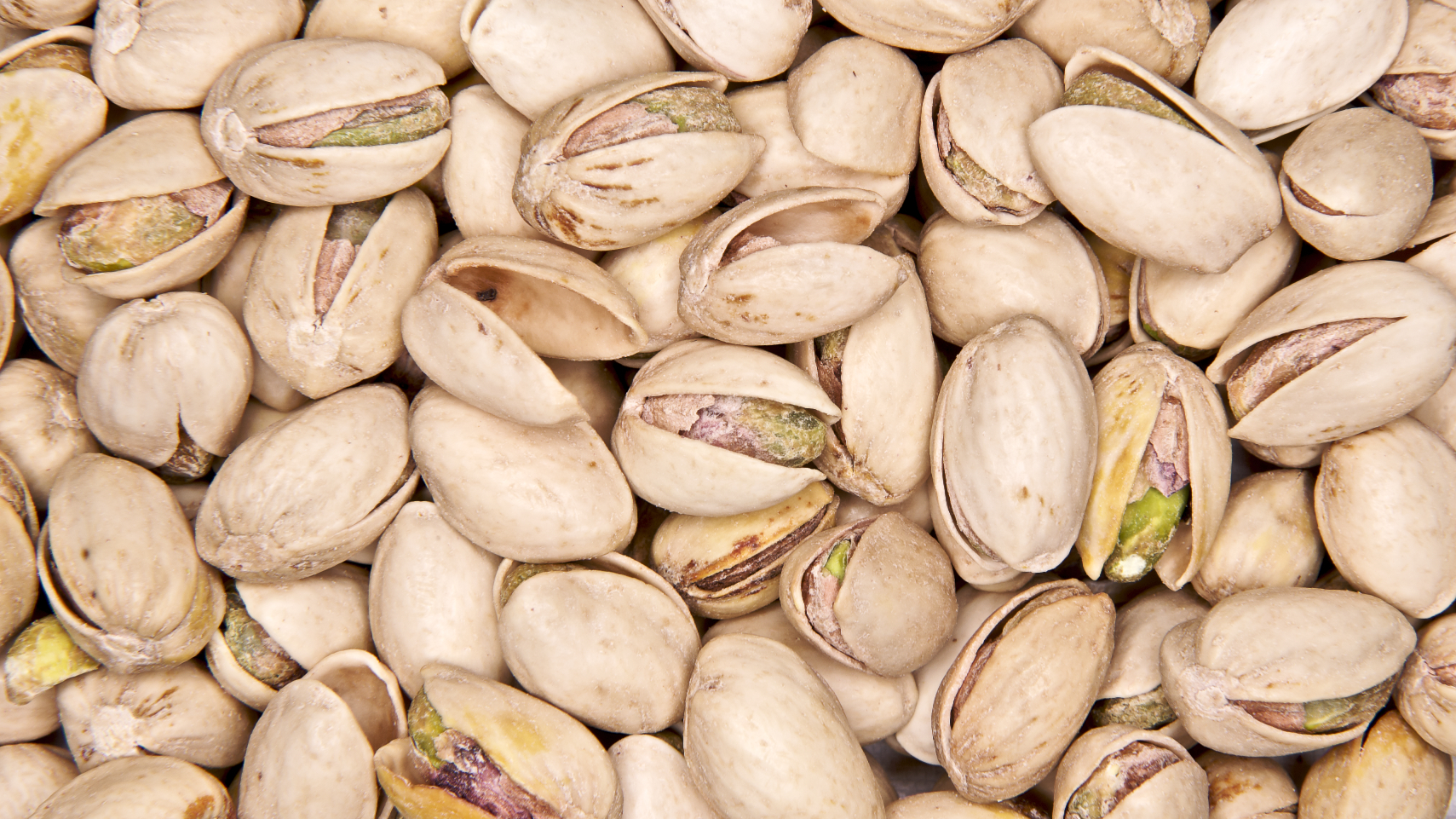
Gaziantep pistachios — Antep fıstığı — are grown on volcanic soil in a small region around the city. The trees take 15 years to mature. The nuts are deep emerald green, almost neon, and have a flavour roughly twice as intense as any other pistachio in the world.
They are the only pistachios that should be used in serious baklava. Anyone making baklava with another variety is making an inferior product. (You can taste the difference; the colour is the giveaway.)
A kilogram of Gaziantep pistachios at retail in Canada costs roughly $80. The same kilogram of generic Iranian or Californian pistachios costs $25. The price difference is the reason most North American baklava is so mediocre — using real Gaziantep pistachios is a deliberate choice that costs money.
The dishes
Gaziantep is the origin point of a long list of Turkish dishes that you may know without knowing they came from there. A partial list:
- Baklava — invented (in roughly its modern form) in Gaziantep.
- Lahmacun — Gaziantep's version is thinner and crispier than versions from elsewhere.
- Künefe — actually originated in nearby Hatay, but the Gaziantep version is considered definitive.
- Beyran çorbası — a lamb-and-rice soup eaten for breakfast.
- Katmer — a folded pastry stuffed with pistachio and clotted cream, eaten for breakfast or dessert.
- Yuvarlama — small lamb-and-rice meatballs in yogurt soup.
- Kuru patlıcan dolması — dried aubergines stuffed with spiced rice.
- Bici bici — a summer dessert of rosewater-flavoured starch jelly with rose syrup.
Most of these are essentially unknown outside Turkey. Some, like beyran and yuvarlama, are not even well-known in other parts of Turkey. They're regional specialties of southeastern Anatolia.
What makes Gaziantep cuisine different
Three things stand out compared to other Turkish regional cuisines.
It's more spiced. Gaziantep food uses more black pepper, more red pepper, more cumin, more allspice than central or western Turkish cooking. The proximity to the Levant and to the old Silk Road spice trade is evident.
It's more vegetable-focused than people expect. Despite the famous meat dishes (Antep kebabı, ali nazik), much of everyday Gaziantep cooking is vegetable-centred — stuffed dried vegetables, vegetable-and-bulgur dishes, simple dishes of grains and herbs.
It's more technically refined. Gaziantep cooks take pride in technique. A piece of Gaziantep baklava has 40+ layers of hand-stretched phyllo. A bowl of yuvarlama has 80 perfectly identical small meatballs. The attention to detail is unusual even within Turkish cuisine.
This is a city where 80 identical meatballs in a single bowl is considered a baseline, not a flourish.
The street food
Gaziantep is one of those rare cities where the street food is among the best in the country. A typical day's eating, if you visit:
- 7am. Beyran çorbası for breakfast — lamb soup, spicy, rich, eaten with bread. The traditional beyran shops open at dawn and close by 11.
- 10am. Katmer at a dedicated katmer shop. Hot, folded, stuffed with pistachio and kaymak. Eaten with strong tea.
- 1pm. Lahmacun from a street vendor, eaten standing up, with sumac onions and a squeeze of lemon.
- 4pm. A piece of baklava and a small Turkish coffee.
- 8pm. Antep kebabı — the spiced lamb kebab named for the city — with a glass of ayran.
- 10pm. Künefe, served hot, with kaymak on the side.
This is what UNESCO recognised: an entire city organised around cooking, eating, and the culture that surrounds both.
How to bring Gaziantep cuisine to your kitchen
Two practical things:
-
Source Gaziantep pistachios. Several Turkish grocery stores in Mississauga and Scarborough import them directly. They're sold in 250g and 500g bags. Use them in any pistachio recipe — baklava, sahlep ice cream, salad — and you'll notice the difference.
-
Try the Gaziantep ratio for meat dishes. Where most Turkish kebab recipes call for 20% fat in the lamb mince, Gaziantep traditionally goes higher — 25% to 30% fat. The kebabs are juicier and more flavourful. Your butcher can grind to spec if you ask.
For more on the pistachios specifically, see our baklava recipe, which has a section on choosing pistachios for serious home bakers.


