Homemade Baklava: A Recipe with Troubleshooting
Baklava is one of the most rewarding things to make at home — and one of the most failure-prone. Here's a recipe that works, plus the fixes for the most common problems.

Baklava is one of those recipes that rewards practice. Your first tray will be edible. Your fifth will be good. Your tenth will rival a corner shop in Gaziantep. The reason isn't the recipe — it's that the small variables (how much butter, how hot the syrup, how thin the phyllo) take time to internalise.
We're giving you the recipe we use, the troubleshooting for the four most common failures, and the tips that took us a year of weekend baking to discover.
Cold syrup on hot baklava. It's the only correct combination — and the number one rule of baklava.
Ingredients (makes a 9x13" tray, about 24 pieces)
- 500g phyllo dough (hand-stretched if you can find it; supermarket frozen works too)
- 300g good unsalted butter, clarified (see method)
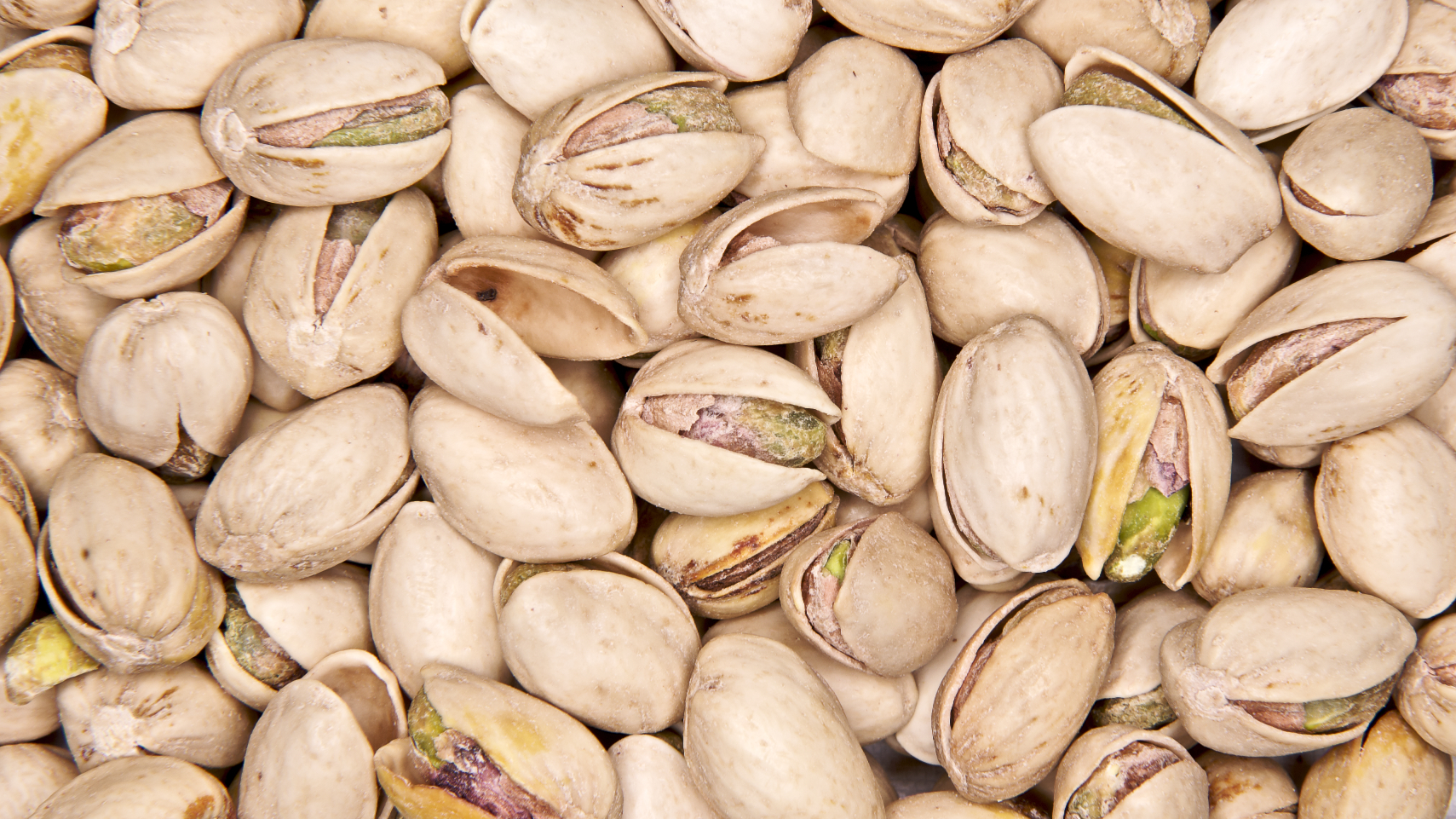
- 400g shelled pistachios — ideally Gaziantep, otherwise the freshest you can find — chopped to a fine but not powdery texture
Syrup
- 400g sugar
- 250ml water
- 1 tablespoon lemon juice
- Optional: ½ teaspoon vanilla, or a small piece of cinnamon stick
Method
1. Make the syrup first. Combine sugar, water, and lemon juice in a saucepan. Bring to a simmer, stirring until the sugar dissolves. Cook for 10–12 minutes until it has thickened slightly (it should coat the back of a spoon but still pour easily). Cool completely. The syrup must be cold when it meets the hot baklava — this is the #1 rule of baklava.
2. Clarify the butter. Melt the butter slowly in a saucepan. Skim the white foam off the top. Pour off the clear yellow butter (clarified butter), leaving the milky solids at the bottom. Discard the milky solids. You should end up with about 220g of clarified butter.
3. Thaw and prepare the phyllo. If using frozen phyllo, thaw in the fridge overnight. Phyllo is fragile — keep the sheets you're not using covered with a damp tea towel so they don't dry out.
4. Butter the tray. Brush a 9x13" baking tray generously with clarified butter.
5. Layer the bottom. Place one sheet of phyllo in the tray. Brush lightly with butter (no need to soak — a thin even film is enough). Repeat with 9 more sheets, brushing each. You should have 10 layers of phyllo on the bottom.
6. Add the pistachios. Spread half the chopped pistachios evenly over the phyllo.
7. Layer the middle. Add 4 more sheets of phyllo, buttering each.
8. Add more pistachios. Spread the remaining pistachios.
9. Top layers. Finish with 10 more sheets of phyllo, buttering each. The top sheet should be very lightly buttered.
10. Cut before baking. This is critical. Using a sharp knife, cut the baklava into your final pieces before it goes in the oven. Traditional cuts are diamonds (cut parallel lines, then diagonal lines across them). The cut must go all the way through to the bottom.
11. Bake. Bake at 170°C (340°F) for about 50 minutes, until the top is deep golden brown and the edges are crisp. If your phyllo is browning too fast, drop the heat 10 degrees.
12. Pour the syrup. Remove the baklava from the oven. Immediately pour the cold syrup evenly over the hot baklava. You'll hear it sizzle. Let it sit at room temperature, uncovered, for at least 4 hours and ideally overnight. This is when the magic happens — the syrup penetrates the layers.
13. Serve. Lift pieces out of the tray with a metal spatula.
What to look for
- A deep golden top, not pale yellow
- Crisp, distinct layers when you bite — you should see them
- A clean butter crunch, not soggy
- No grease ring on a paper napkin
- The pistachios should taste like pistachios, not just sugar
Troubleshooting
The baklava is soggy
Almost always means you poured hot syrup on hot baklava, or warm syrup on cold baklava. Both syrup and baklava temperature matter, and they must be opposite. Cold syrup on hot baklava is the only correct combination.
The phyllo is tearing as I layer
The phyllo dried out. Always keep the sheets you're not using covered with a damp (not wet) tea towel.
The butter is pooling at the bottom
You used too much butter per layer. A thin even film is enough — you should be brushing, not soaking.
The pieces are stuck together
You didn't cut deeply enough before baking. The cuts must go all the way through to the bottom layer or the syrup won't separate the pieces properly.
It tastes flat
The pistachios are the flavour. Cheap or stale pistachios make a flat baklava. Use the best you can find — preferably Gaziantep — and make sure they're fresh.
Variations
- Walnut baklava (cevizli baklava). Substitute walnuts for pistachios. Earthier flavour, less sweet.
- Cream baklava (şöbiyet). A layer of clotted cream tucked between two pistachio layers. Eat within 4 hours.
- Rose syrup. Add a tablespoon of rose water to the syrup after it's removed from heat.
Storage
Baklava keeps at room temperature, covered loosely, for 4–5 days. Do not refrigerate — the syrup will crystallise and the phyllo will turn soggy. For longer storage, freeze unsyruped baklava; bake from frozen and syrup as usual.