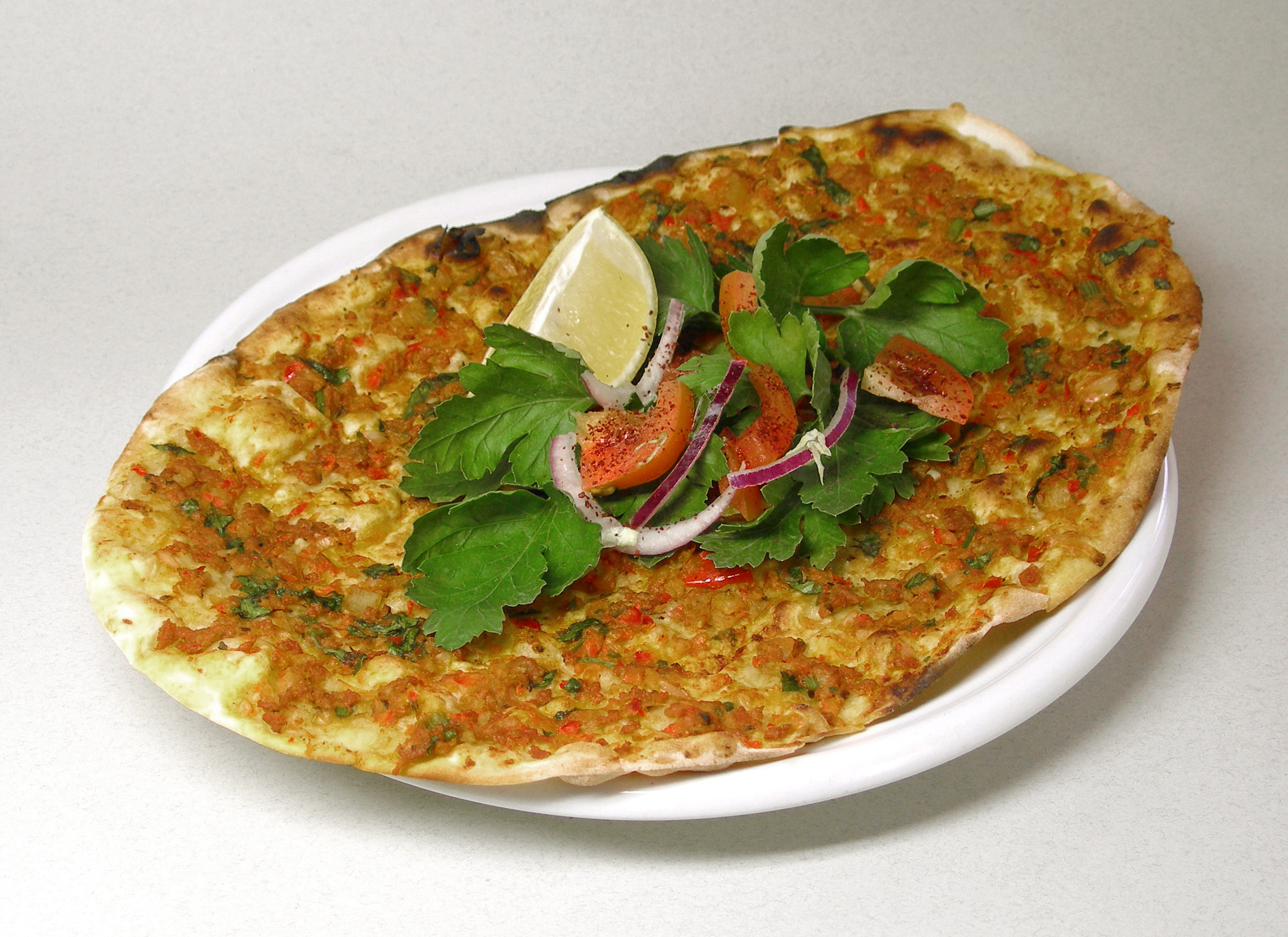
Adana Kebab on a Cast-Iron Pan
Adana kebab is properly cooked over charcoal on a flat skewer. Most home cooks don't have that setup. Here's how to make an honest version on a cast-iron pan.

Adana kebab is hand-minced lamb shoulder, mixed with red pepper paste and a few spices, formed onto a flat skewer, and grilled over charcoal until the edges crisp and the centre stays juicy. It's named for the city of Adana in southern Turkey, and the recipe is regulated — there's a registered geographical indication that specifies hand-mincing (no grinder), a specific fat ratio, and charcoal cooking.
Strictly speaking, what you can make at home is Adana-style, not Adana. But it's still a wonderful dish — and on a properly hot cast-iron pan, you get closer than you might expect.
The flat shape is essential. Round kebabs simply don't cook the same way.
Ingredients (makes 4 large kebabs, serves 2 generously or 4 modestly)
Meat
- 500g lamb shoulder, with about 20% fat (your butcher can adjust this — ask for "kebab grind" or 20% fat content)
- 1 tablespoon Turkish pepper paste (biber salçası, the hot kind if you can find it)
- 1 teaspoon Aleppo pepper (pul biber)
- 1 teaspoon Urfa pepper (isot), optional but adds smokiness
- 1 teaspoon salt
- ½ teaspoon black pepper
- 1 teaspoon ground cumin
To serve
- 1 large flatbread or 4 small lavash, warmed
- 1 small red onion, sliced thin, mixed with 1 teaspoon sumac and a small handful of chopped parsley
- 4 small tomatoes, charred briefly in a hot pan
- 2 long green chilies, charred briefly in a hot pan
- A bowl of plain Turkish yogurt
- Lemon wedges
Method
1. Hand-mince the meat (or cheat). Traditional Adana is made by chopping the meat by hand with two heavy knives until it's the consistency of coarse mince. If you have time, do this — it makes a noticeably better texture. If you don't, use a butcher-ground lamb of the right fat content.
2. Make the meat mixture. In a bowl, combine the meat, pepper paste, Aleppo pepper, Urfa pepper, salt, black pepper, and cumin. Mix by hand — really mix it — for at least 4 minutes. The mixture should become slightly sticky and start to hold together when you squeeze it. This kneading develops the texture; skipping it will give you crumbly kebabs that fall apart on the pan.
3. Chill. Cover and refrigerate for at least 30 minutes (an hour is better). The mixture firms up and is much easier to shape.
4. Shape onto skewers. If you have wide, flat metal skewers, use them — divide the meat into 4 portions and press each around a skewer into a long flat shape. If you don't, divide into 4 portions and shape each by hand into a flat oval about 15cm long and 2cm thick. The flat shape is essential — round kebabs don't cook the same way.
5. Heat the pan. Heat a heavy cast-iron skillet (or grill pan) over high heat for at least 4 minutes — it needs to be very hot. No oil needed; the kebabs have enough fat.
6. Sear. Lay the kebabs in the pan. Don't move them for 3 minutes. They should develop a deep, dark crust on the bottom. Flip and cook for another 3 minutes on the other side. The kebabs should be cooked through but still juicy in the centre.
7. Rest. Move the kebabs to a warm plate and let them rest for 3 minutes.
8. Char the tomatoes and chilies. In the same hot pan, lay the small tomatoes and green chilies. Char them quickly on all sides — about 90 seconds per side. The skins should blister.
9. Assemble. Warm the flatbread on the same pan for 20 seconds per side. Lay it on a plate. Top with a kebab. Add the charred tomato and chili. Spoon over a generous portion of sumac onions. Serve the yogurt on the side, lemon wedges within reach.
What to look for
- A deep dark crust on the kebabs — not just brown, but charred in spots
- A juicy interior — when you cut through, the meat should show a pink centre that's not raw
- Visible flecks of red pepper paste throughout the meat
- The fat has rendered partially but the kebab still feels substantial
- The yogurt on the side is cold
Mistakes to avoid
Not mixing the meat enough. This is the #1 home failure. The mixture needs at least 4 minutes of hand-kneading to develop the right texture. Without it, the kebabs crumble.
Using lean meat. Adana kebab is lamb shoulder with 20% fat for a reason. Lean lamb produces dry, chewy kebabs.
A cold pan. Cast iron needs serious preheat — at least 4 minutes on high heat. If you can hold your hand 5cm above the pan for more than 2 seconds, it's not hot enough.
Moving the kebab too soon. Three minutes per side, undisturbed. Flipping early prevents the crust from forming.
Skipping the sumac onions. They're not optional. The acidity and the sumac's brightness cut through the lamb's richness.
Pairing
- Ayran — the traditional pairing. Salty yogurt drink, served very cold.
- A glass of raki, if you drink — diluted with cold water until it turns milky.
- Pickled vegetables — sour, crunchy, palate-cleansing.
Skip the heavy starch. A small bowl of bulgur pilaf is right; a giant pile of rice is too much.